
And we’re back! Don’t worry, you’re seeing this correctly, another wrap-up just a few days after the last one!
April was my horror month. May is also my horror month, but more on that in a few days. I was fortunate to read new novels and stories from writers I love, like Victor LaValle, Rachel Harrison, TJ Klune, and Curtis Sittenfeld. I also discovered new-to-me writers whose work I will be following from now on.
I also gave one writer a final chance, and he blew it, and I’m starting to become radicalized against “cozy horror” that isn’t written by my queen, Rachel Harrison. It was a mixed bag of a month.
Anyway, here are my favorites from April, as well as notes on all of my reads from the month!
Best of the month
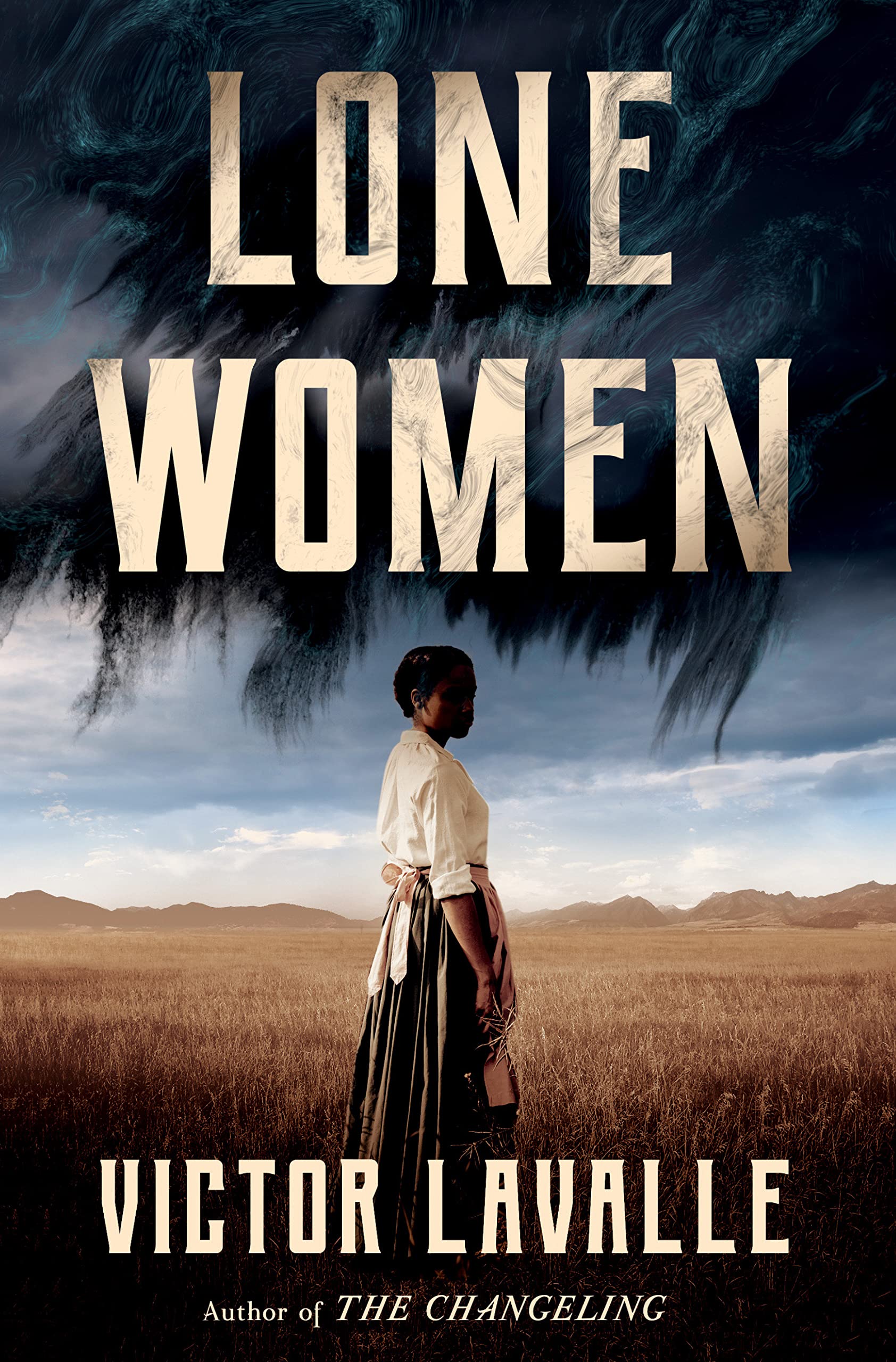
“’On Tuesday, Adelaide Henry had been a farmer. On Wednesday, she became a fugitive.”
From Lone Women by Victor LaValle
Lone Women / Victor LaValle
All hail, Victor LaValle!
It’s been a few years since LaValle’s last novel, a horrifying dark fantasy called The Changeling that catapulted him to the top of everyone’s lists of best modern horror writers. I absolutely loved that novel, and when Lone Women was announced, it instantly became one of my most anticipated releases of the year.
LaValle’s influences are too numerous to confine him to a single genre, and this one can best be described as a horror-western-sci-fi-historical novel, yet is so focused and controlled that it feels like it’s a genre that has always existed.
The absolute best thing about the novel is simply how goddamn ~weird~ it is. LaValle has made no secret that Lovecraft’s work has a huge influence on him, and bringing elements of that mythos to the American West is a delightful concoction. Simply put, this book did not disappoint.
Other highlights
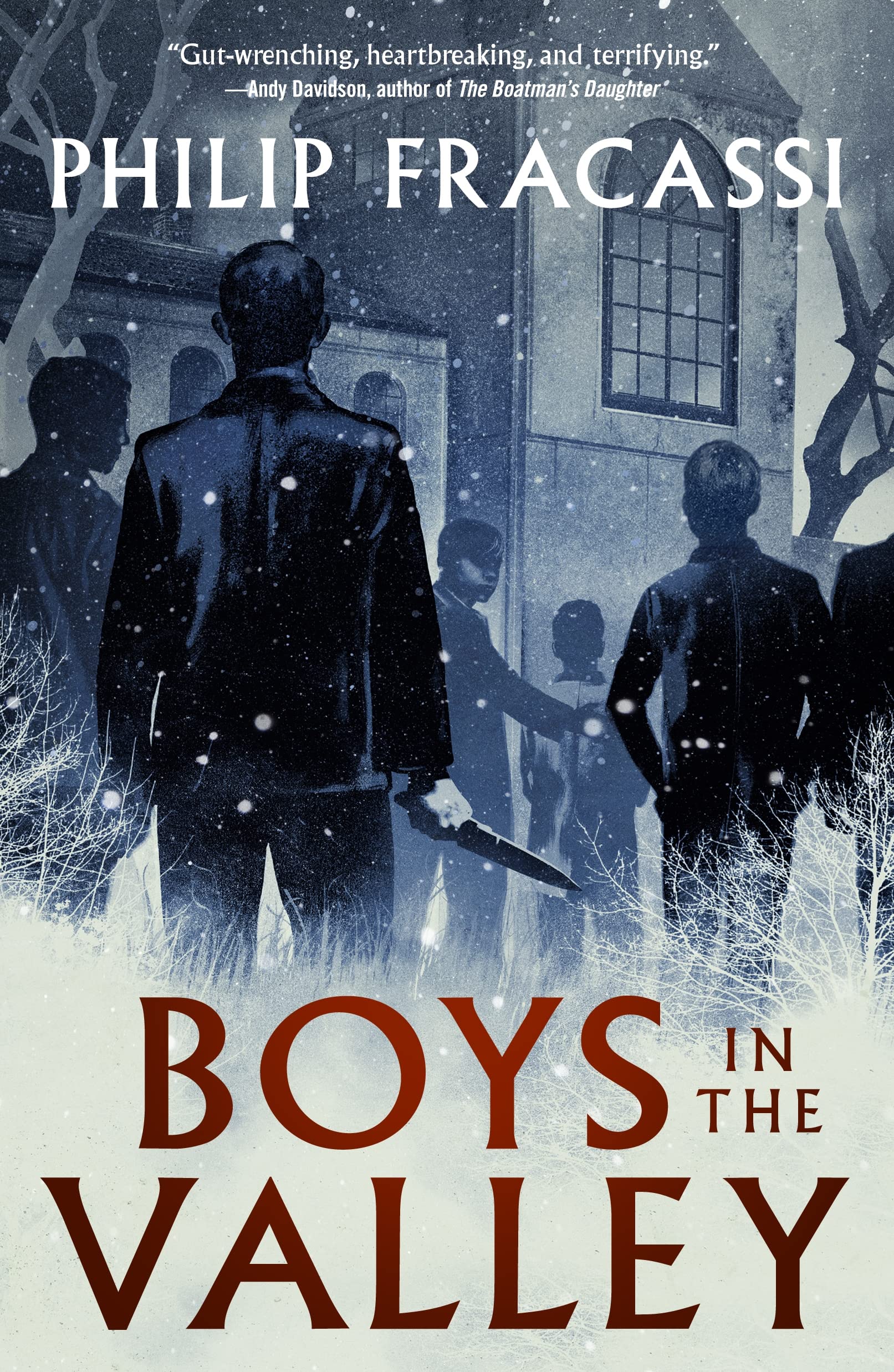
Boys in the Valley / Philip Fracassi
Philip Fracassi is a rising star in horror, and the forthcoming publication of Boys in the Valley will further solidify that. Billed as The Exorcist meets Lord of the Flies, this novel takes an early-20th century boys orphanage and unleashes a demonic force upon it, with a blizzard bearing down for some extra atmosphere. It is wonderful Catholicism horror as well! I’ve spent most of my adult life trying to forget that religion, yet nothing excites me more than having it play a part in the books and movies I consume. Anyway, Boys in the Valley is terrifically scary horror, it is violent, it is gory, it is so bleak, but still relentlessly entertaining. It will be published this upcoming July and it has my highest endorsement.

Silent Spring Revolution / Douglas Brinkley
The influence of Rachel Carson cannot be overstated, and her nonfiction account of the harm that pesticides posed to the environment (Silent Spring) led to radical changes to our country’s environmental policies throughout the 1960s and 1970s, pretty much up to the Reagan years. Douglas Brinkley chronicles this period of time when caring about the environment was a bipartisan issue, and even gives some hope that it could happen again. This book is MASSIVE (a staggering 900-page behemoth) that is endlessly interesting, though I will say that after Carson and John F. Kennedy (spoiler alert) die, the narrative loses its driving force. The environmentalism movement itself picks up steam, leading to a section of the book that reads like a Wikipedia list. Even so, I enjoyed this very much. Also, shoutout to Wisconsin’s own Gaylord Nelson, a man whose name can be seen all over the campus of my alma mater.
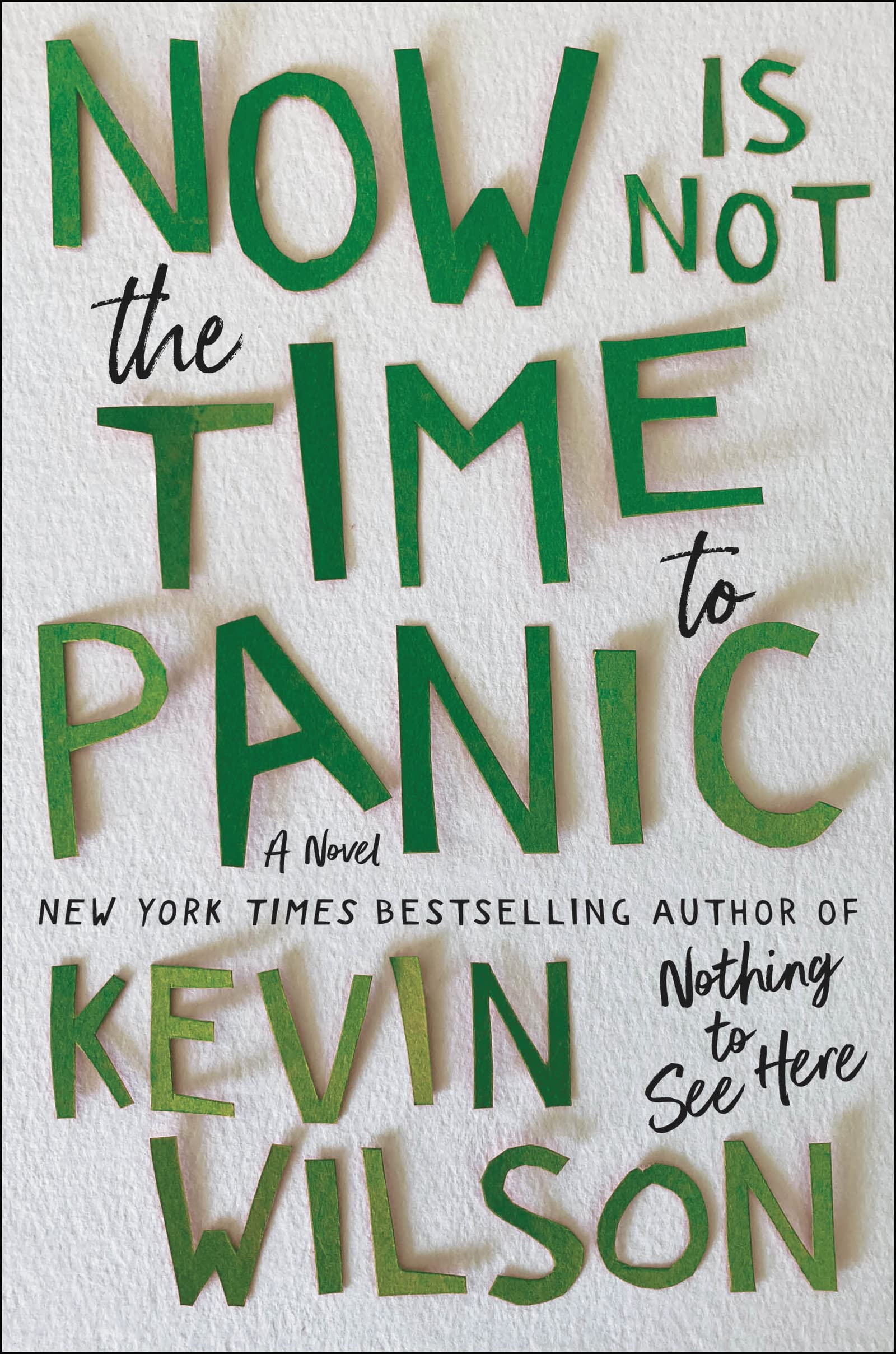
Now Is Not the Time to Panic / Kevin Wilson
Kevin Wilson has written a beautiful, self-contained coming-of-age novel with Now Is Not the Time to Panic using the “Satanic panic” of the 1980s as a jumping off point to explore young adulthood, the urge to create art, and the mistakes we make when we are young. I read this book for a break from horror after finishing Manhunt (see below) and I found myself reminiscing about my own childhood. When we are teenagers, there are weird little things that make up our whole world, even if only for a short time. These obsessions cannot be explained to others, so it is a rare gift to find someone that shares them with you. This book perfectly captures that feeling of being understood for the things you love, even if they cause mass-hysteria for months on end.
Notes on other april reads

Bad Dolls: Stories / Rachel Harrison
I love Rachel Harrison so much. She is one of the most accessible horror writers working at the moment, and this collection of short stories is just as fun as her full-length novels. If you’re looking for an entry point for horror, put Harrison on your list!
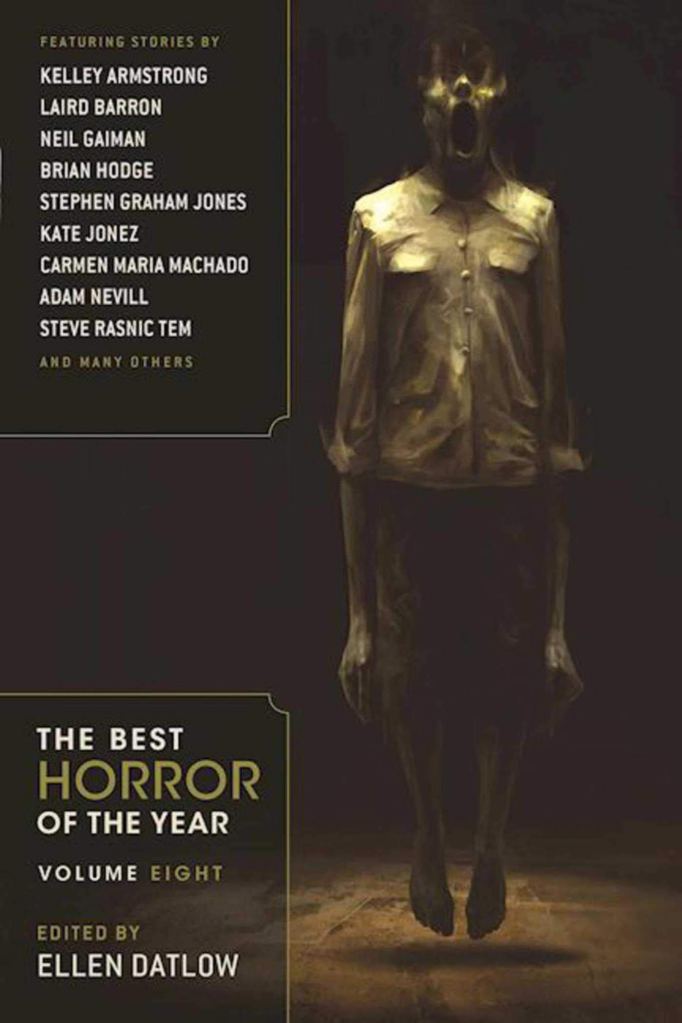
The Best Horror of the Year: Volume 8 / edited by Ellen Datlow
The 8th volume of this annual, ongoing series compiling the best horror short stories from a given year was a solid collection, and legendary horror editor Ellen Datlow has brought together a lot of modern horror’s threads. “Universal Horror” by Stephen Graham Jones (shocker) and “The Underground Economy” by John Langan were the standouts for me.
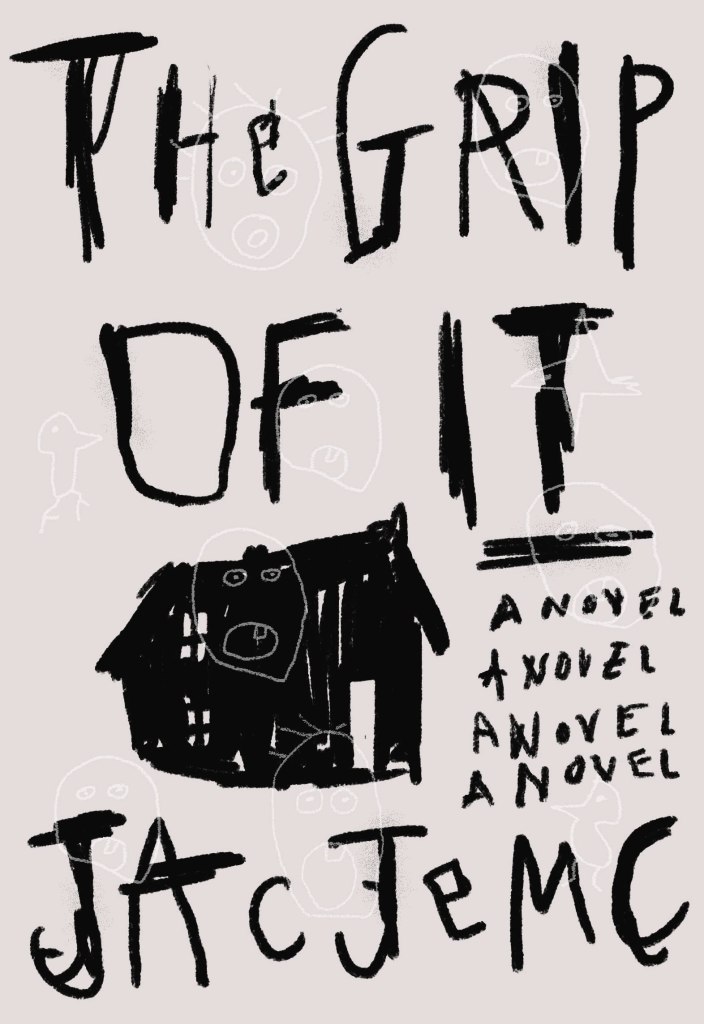
The Grip of It / Jac Jemc
I hate, hate, HATE the trope of “married couple moves to a new house and supernatural things start happening that expose their already strained relationship.” It’s so predictable, it’s lazy writing, and I also hate horror as a metaphor for the disintegrating trust in a relationship. The Grip of It utilizes this trope about as effectively as one can, but naturally I didn’t care much for it.
In the Lives of Puppets / TJ Klune
TJ Klune is back, assembling a charming cast of characters for more queer, cozy, sci-fi/fantasy fun! That being said… it’s wearing a little thin at this point…. This one is an AI take on Pinocchio, and while it is fun, it is slight.

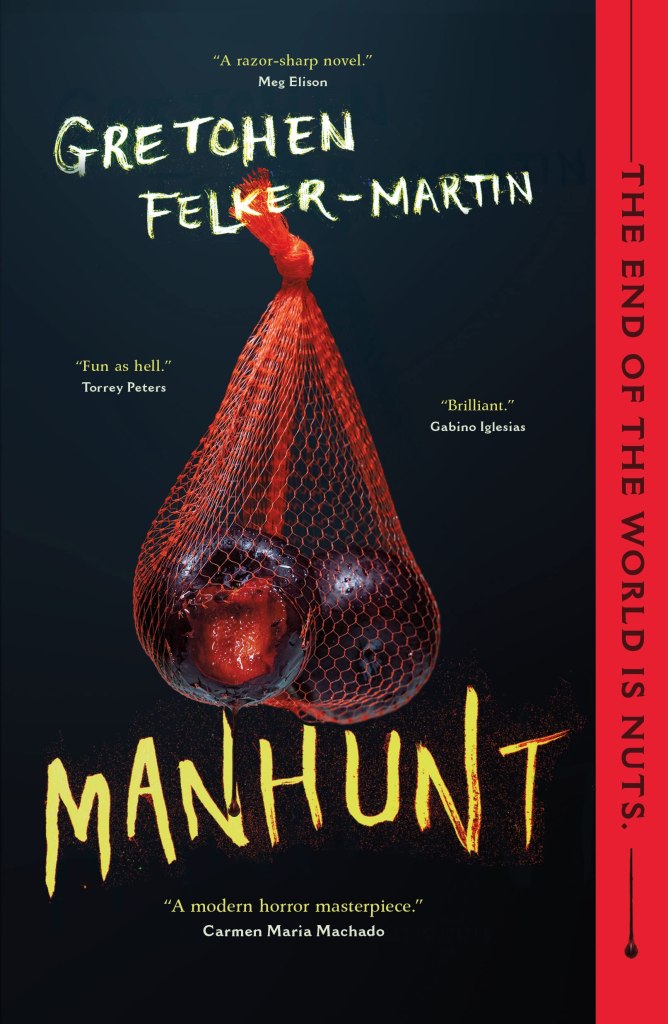
Manhunt / Gretchen Felker-Martin
I love horror, but I don’t love every sub-genre of horror, and Splatterpunk lands on the side of sub-genres I don’t love. I am very happy Manhunt exists in the world though, it’s fun, disgusting, horrifying, and transgressive. At times I found myself thoroughly loving it, and at times I wanted to stop reading. A modern classic in the making.
Romantic Comedy / Curtis Sittenfeld
I love the way Curtis Sittenfeld writes. She’s so economical and has this magical ability to quickly immerse a reader into a fully realized world. I think she’s been overlooked as one of our finest literary fiction writers because she writes about women and their messy relationships, but also because the covers of her books usually suck! The title (and the cover) of this book are bound to mislead readers looking for more straightforward romance. This book is instead a character study, a pandemic novel, and a workplace comedy well before it is a romance. I really liked it.


How to Sell a Haunted House / Grady Hendrix
Grady Hendrix is the non-horror reader’s favorite horror writer, and his books have found their place on the shelves of Target and all over BookTok. This was the third novel by him that I have finished, and the fifth that I’ve attempted, and I can say now that his fiction is not for me. His horror has no stakes, it’s “cozy horror,” but without any of the interesting human dynamics. His premises are always a fascinating take on a common trope, but his execution is bland and uninteresting. I think I’m done with his fiction.
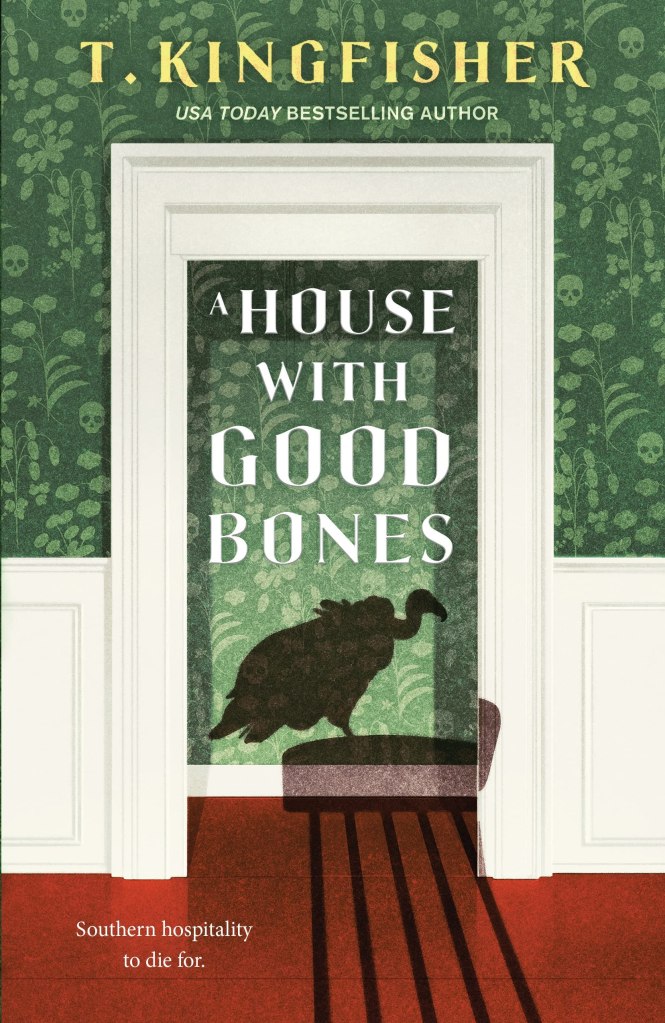
A House with Good Bones / T. Kingfisher
Speaking of “cozy horror”, T. Kingfisher’s newest novel is a directionless haunted house story that I found to be forgettable and utterly disappointing. I loved Kingfisher’s novella What Moves the Dead, and I wish this book had even half of that story’s bite. A huge miss from Tor Nightfire, one of my favorite publishing imprints.

Poverty, By America / Matthew Desmond
Matthew Desmond, writer of the Pulitzer Prize-winning Evicted, is back with a concise overview of the systems that cause and expand American poverty. The first 75% of this book won’t be anything new if you understand these dynamics, but the final quarter is a rousing call-to-arms that makes the book a worthy addition to your bookshelf.
Follow me on Goodreads.

 gorham / and / henry
You must be logged in to post a comment.