
I continue to turn a new leaf (multiple leaves at this point) as we head into the summer, and my May wrap-up is on time!
Horror, horror, more horror, that’s the theme for this month. Unfortunately there were some real clunkers on that front, and I can tell I’m reaching my horror limit for awhile. In fact, towards the end of the month, I read R.F. Kuang’s Yellowface and I was so refreshed by the simple fact that it was not a horror novel.
Anyways, check out my favorites from May below, as well as notes on everything I read last month.
Best of the month
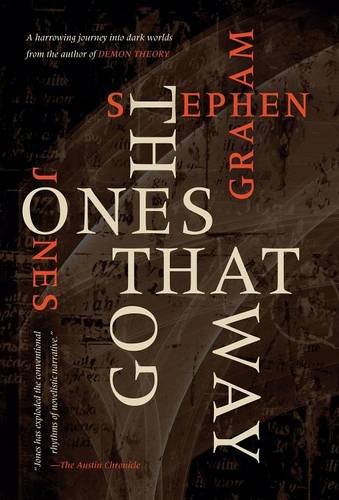
“’By the third day they were eating snow.”
From The Ones That Got Away by Stephen Graham Jones
The Ones That Got Away / Stephen Graham Jones
I’m obsessed with Stephen Graham Jones, so obviously a short story collection by him is catnip for me. It was great, five stars, check it out.
What I want to talk about is a specific story that rewired my brain. “Father, Son, Holy Rabbit” is the lead story in this collection, and it tells of a father and his young son who are lost in the woods during a terrible snow storm. Every day the father goes out in search of food, and every day he returns with the same rabbit.
I tend to not be a short story lover, but many horror fans will tell you that the best execution of the genre often happens in short stories. Jones’s prose is so economical and the narrative lulls you into a sense of familiarity before it unleashes a surprising, awe-inspiring climax.
This story is a marvel, it reminded me of the best of Shirley Jackson. Maybe the greatest short story I’ve ever read.
Other highlights
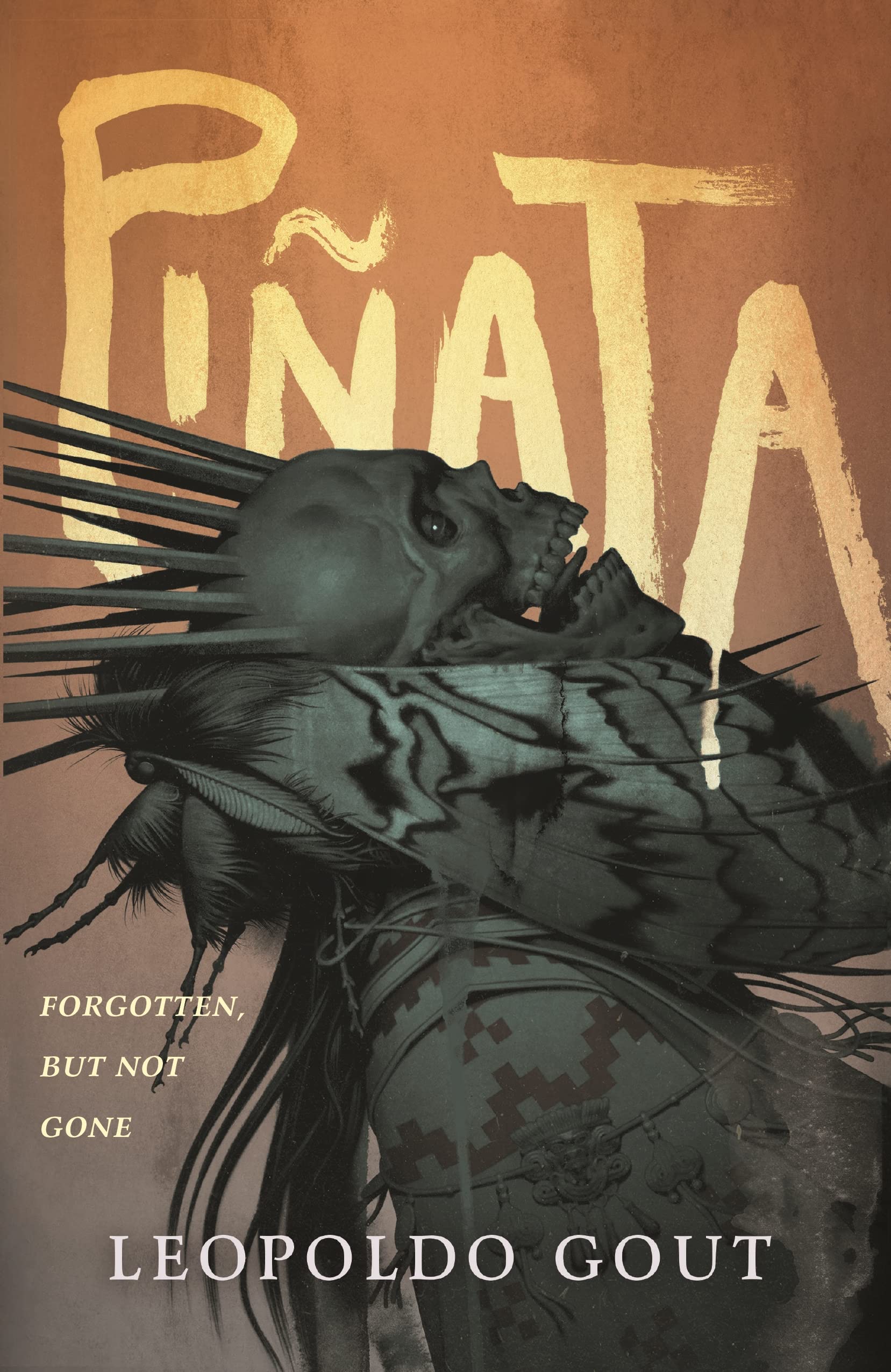
Piñata / Leopoldo Gout
I read a lot of middling-to-mediocre horror novels this month, and I’m pleased to say that one of my most anticipated, Piñata by Leopoldo Gout, doesn’t land in that category. In this novel, a Mexican-American architect spends the summer in Mexico with her two daughters, unknowingly awakening a curse that follows them back to New York City after the trip is over. Gout doesn’t spare the gory details, and there are moments in this novel that are quite brutal. What really stood out to me is how fully realized the spirit was (peep the cover art if you’re curious). The book also has big ideas about colonialism, Western religion, and Indigenous cultures that add terrific depth to the story.
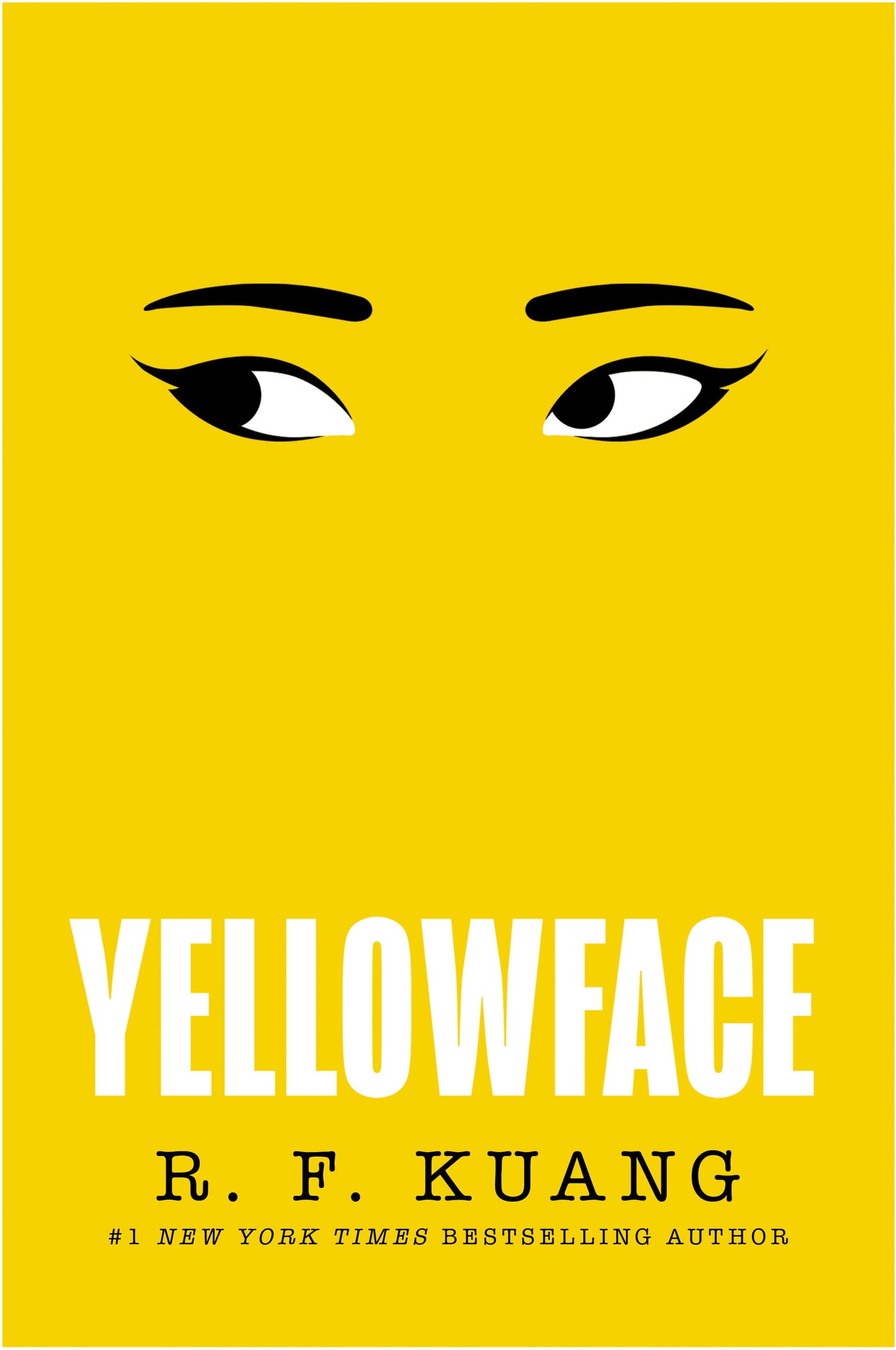
Yellowface / R. F. Kuang
R. F. Kuang is wild for writing this novel. Best known for The Poppy War trilogy, Kuang’s first foray into contemporary fiction is a publishing world satire about a white writer who steals the final, unpublished work of her dead friend, a successful Asian writer. This can be an easy book to criticize as it is all a bit on the nose, but it moves so quickly that it’s just as easy to look past the deficiencies. Kuang has said that her intention was to write a book that evokes the feeling of doomscrolling on Twitter, and she has achieved that and some. This is a finish-in-one-sitting kind of book, and it’s an enjoyable spiral that proves Kuang is not just the next great fantasy writer, she’s the next great writer, period.

The Girls / Emma Cline
In preparation for the May release of Emma Cline’s new novel The Guest, I decided to revisit her debut, a book that I read way back in 2016 and remembered very little of. The Girls is a Manson Family-inspired story following a teenage girl who falls under the spell not of the leader of the cult, but of his female followers. Cline is constructing prose in this novel so confidently, and in ways where she convinces you she’s the first person to ever write. In one relatively short novel, Cline easily examines the interiority of the lives of young girls that many writers spend their entire careers failing to. She’s a generational talent, do yourself a favor and check out her work.
Notes on other may reads

The Family Game / Catherine Steadman
I kicked off this up-and-down month by reading this thriller for my book club, and I found it lacking. Commercial thrillers aren’t my genre, and this book is a perfect illustration why. Gone Girl broke this genre, and seemingly every book since wants the unlikable female character without actually taking any of the risks associated with making your character unlikable! This book could have been nasty, mean fun, but instead it’s another forgettable, paint-by-numbers thriller.
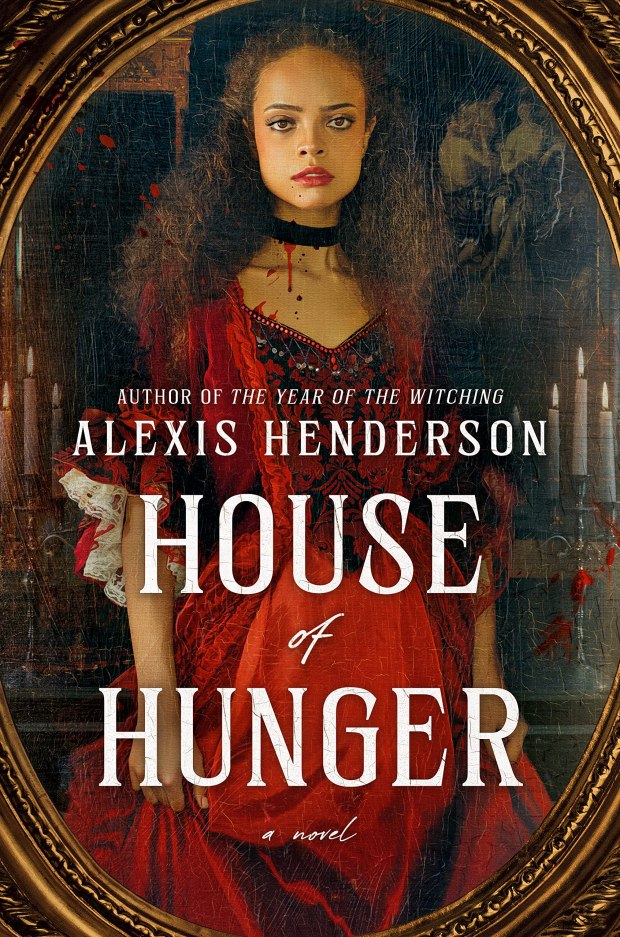
House of Hunger / Alexis Henderson
Speaking of books that could’ve been nasty fun, Alexis Henderson’s House of Hunger has a plot that Anne Rice at her horniest would’ve loved, but it wastes it by being insecure about its own premise. This book, about bloodmaids and the upper-class who consume their blood, could’ve been a banger, but it seems like the author (or more likely, her editor) didn’t want to fully GO FOR IT. What we’re left with is something rather bland, and that’s a shame.
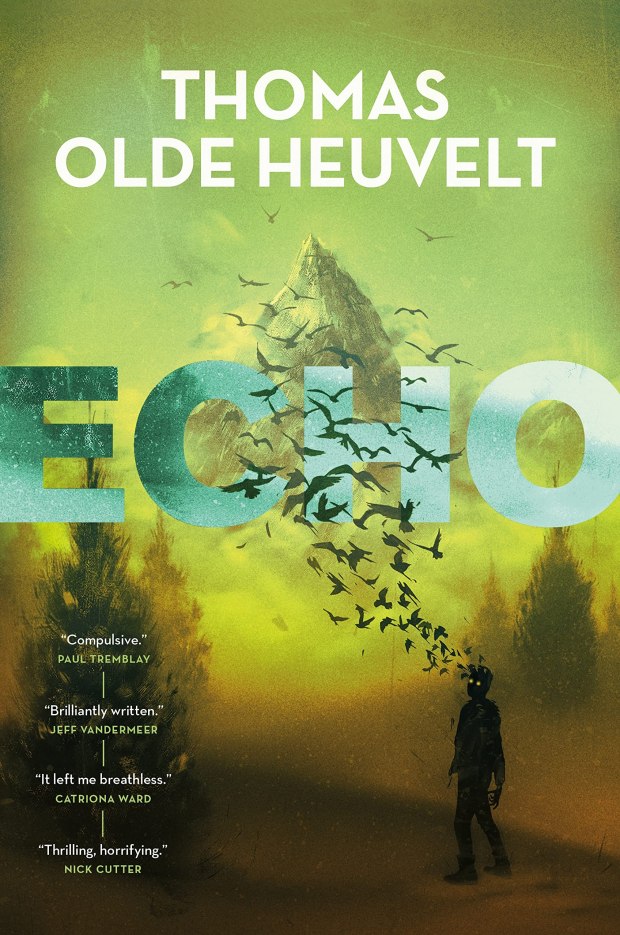
Echo / Thomas Olde Heuvelt
I loved Heuvelt’s last novel translated into English, Hex. This one… I don’t know what to do with. I was confused for 75% of it, and I would struggle even now to give you a plot summary.
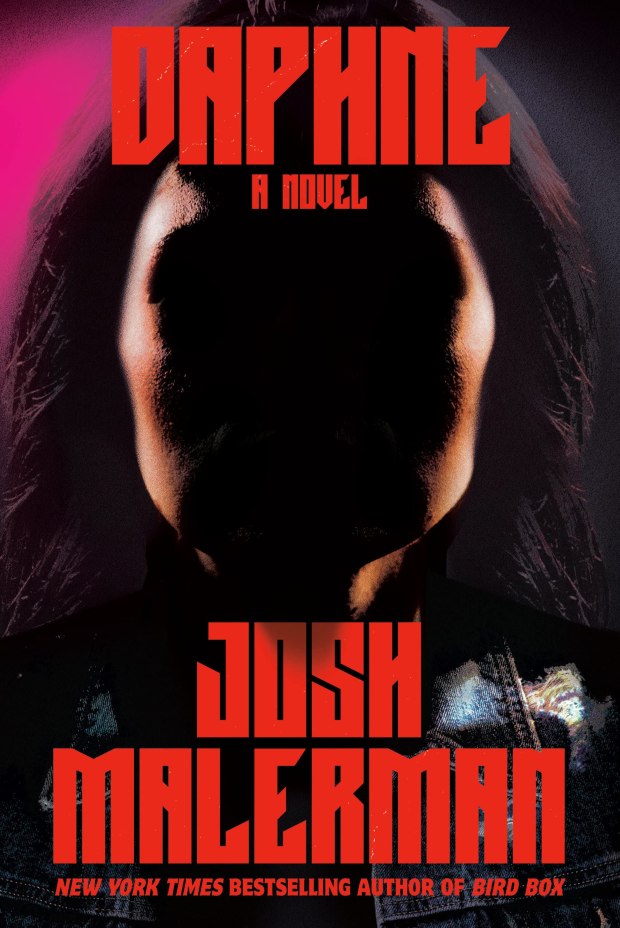
Daphne / Josh Malerman
Daphne! Daphne! Daphne! What a relief it was to read a dark, gory slasher after a few horror flops this month. Malerman constructs some impressive set pieces in this story about a 7-foot killer stalking members of a girl’s basketball team, and Daphne serves up very little mercy. What a blast!
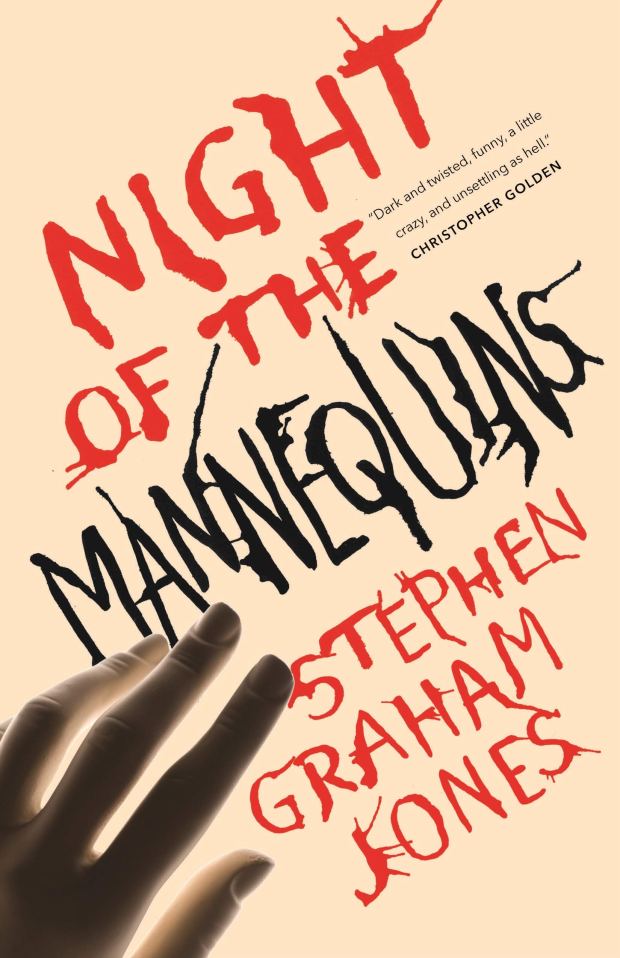
Night of the Mannequins / Stephen Graham Jones
Stephen Graham Jones, light of my life, fire of my… okay that’s enough of that. Night of the Mannequins proved two things to me: first, that SGJ can write a comic horror novel, and second, that he is my favorite living writer.
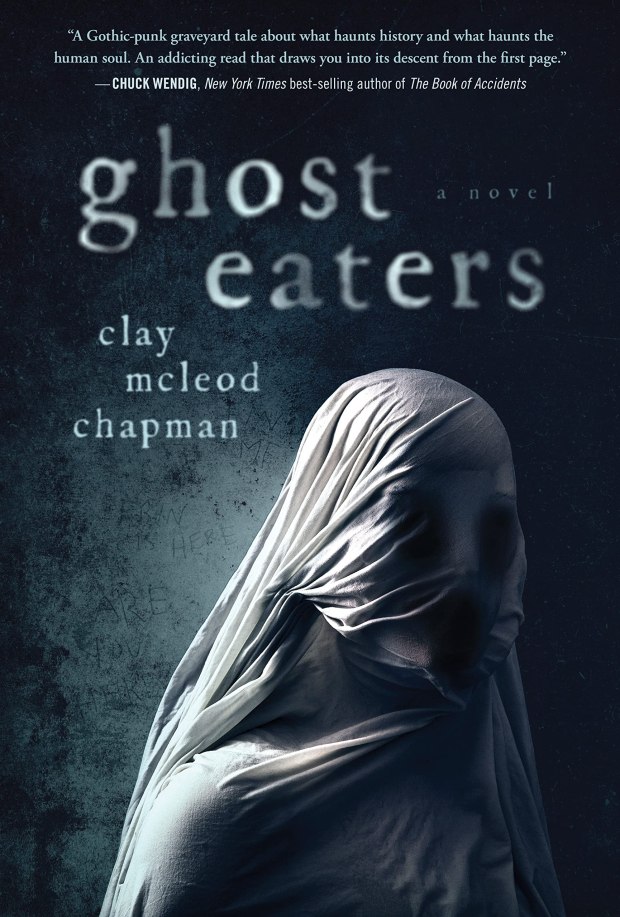
Ghost Eaters / Clay McLeod Chapman
Now this one really upset me. I don’t like addiction horror to start with, so I was nervous going into this novel. I found myself pleasantly surprised for 3/4ths of it, but then the floor dropped out and this book couldn’t get across the finish line. A core theme of this novel is toxic codependency, a dynamic that is difficult to write about because there’s nuance at play and rarely a “bad guy.” It became clear that Chapman didn’t trust himself enough to close that dynamic with ambiguity and uncertainty, so instead he retcons the entire story in the final chapters and makes one of the players so cartoonishly evil that the entire book borders on offensive. I hated this.
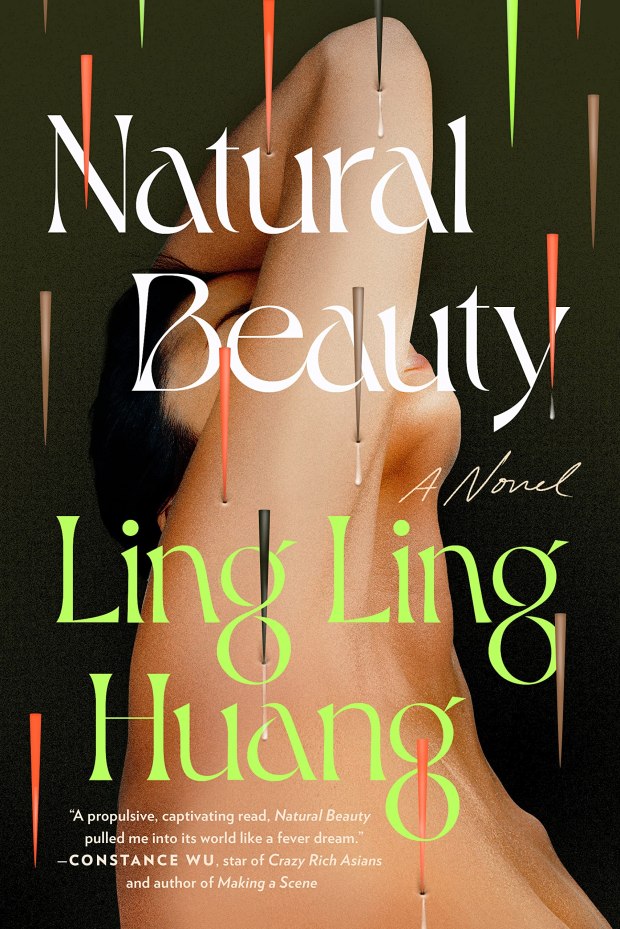
Natural Beauty / Ling Ling Huang
Natural Beauty was billed as “literary horror,” and, literary merits aside, I was amazed by how friggin’ weird this novel was. Weird fiction is thriving! It’s a beauty-industry send-up that goes full-weird right away. Weird!
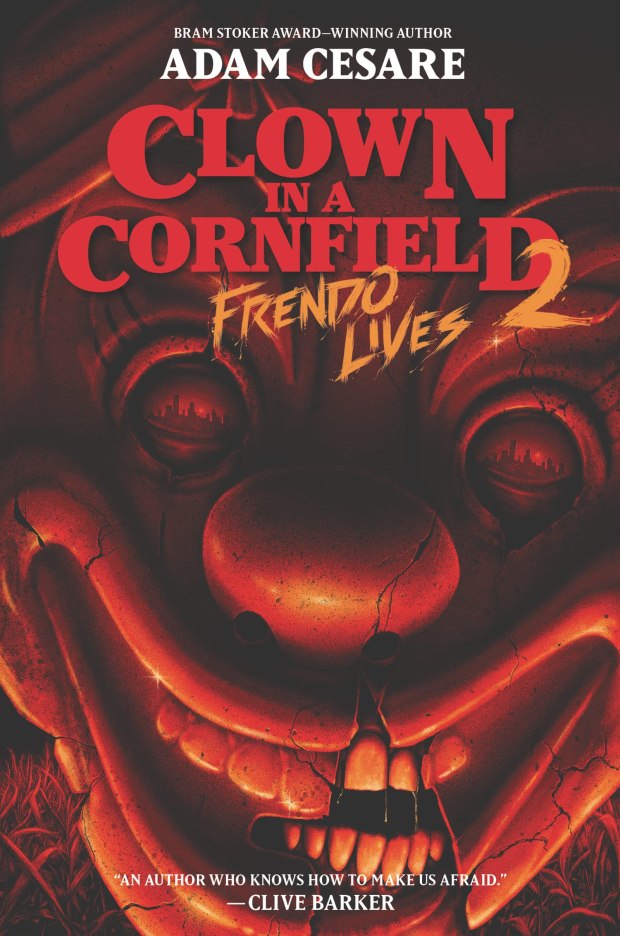
Clown in a Cornfield 2: Friendo Lives / Adam Cesare
The first Clown in a Cornfield was a favorite surprise of mine a few years ago, a brutal YA slasher that spares nothing. The sequel suffers a bit from its attempt to expand the world (it’s also not really a slasher), but the political commentary felt solid for a young adult novel. There’s still a lot of fun to be had, but it’s not as good as the first.
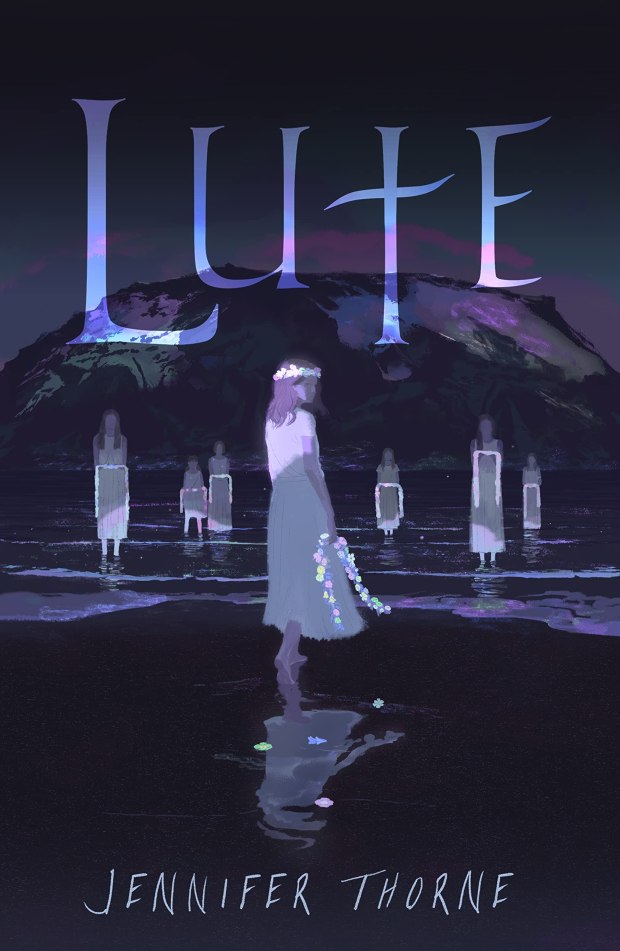
Lute / Jennifer Thorne
Imagine the movie Midsommar told from a believer’s perspective. That’s Lute! Every seven years on the island of Lute seven people die, bringing seven years of prosperity to the rest of the residents. It’s a fun little novel, though not particularly scary.
Follow me on Goodreads.

 gorham / and / henry
You must be logged in to post a comment.